THE READING ROOM / GUIDES & WORKED STUDIES
The photography notebook
A connected library of first-camera guides, focal-length explanations, practical field exercises and independently published articles.
START HERE / THE COMPLETE PATH
Build a kit around a photograph →
Read the complete starting guide, then follow the parts that match your situation. Each section connects an explanation with a tool or a practical check.
01 / Choose a first kit
- Start with the picture you miss
A first-camera checklist organized around the photograph, working space and usable kit.
- Choose one lens
Read focal length, coverage and compatibility as separate choices.
- Rehearse a prime with a zoom
Keep the zoom ring still for an outing before deciding what you want to carry.
02 / Understand the frame
- 35 mm or 50 mm?
Compare a fixed-position framing simulation with two focal lengths.
- Camera position in 3D
Change distance and sensor width; read the subject and background frame widths.
- Crop or move?
Read an original contact sheet and separate framing from viewpoint.
03 / Put it into practice
- Three frames, two positions
Make a simple field comparison and record the space you needed.
- How the drawings work
Read the projection model, source standards and illustration limits.
- Products and buying notes
Source-identified options with disclosed affiliate links and no invented scores.
FROM THE ARCHIVE / PUBLISHED ARTICLES
Individual notes
No article matches. Try another word or clear the search.
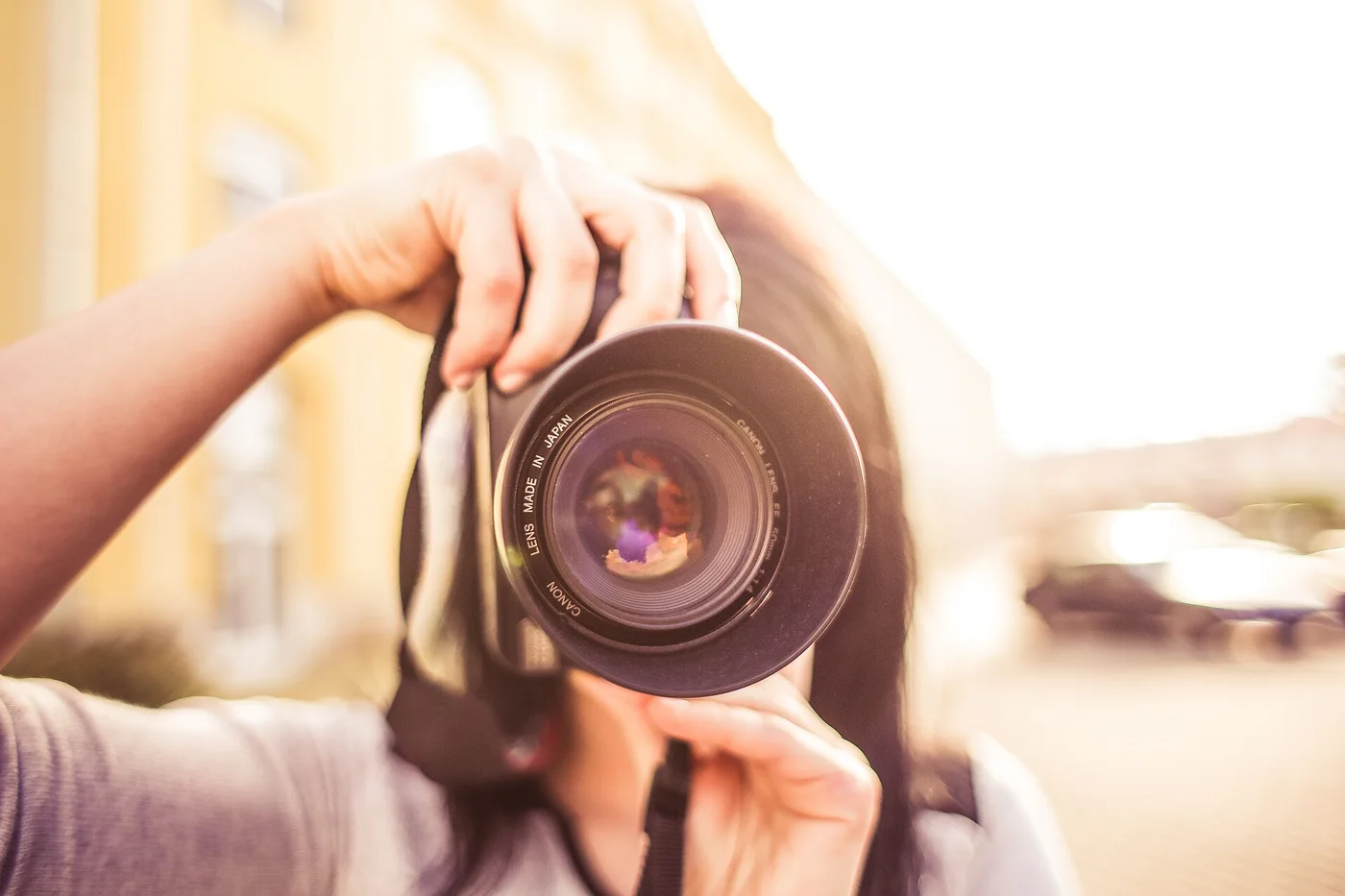
A one-hour trial for a camera you might actually carry
Take a familiar route, change a setting, review a file and record the whole kit before deciding what to buy.

Aperture, distance and the background: change one at a time
Make a deliberate depth-of-field exercise without mistaking a soft background for a lens ranking or changing several variables at once.
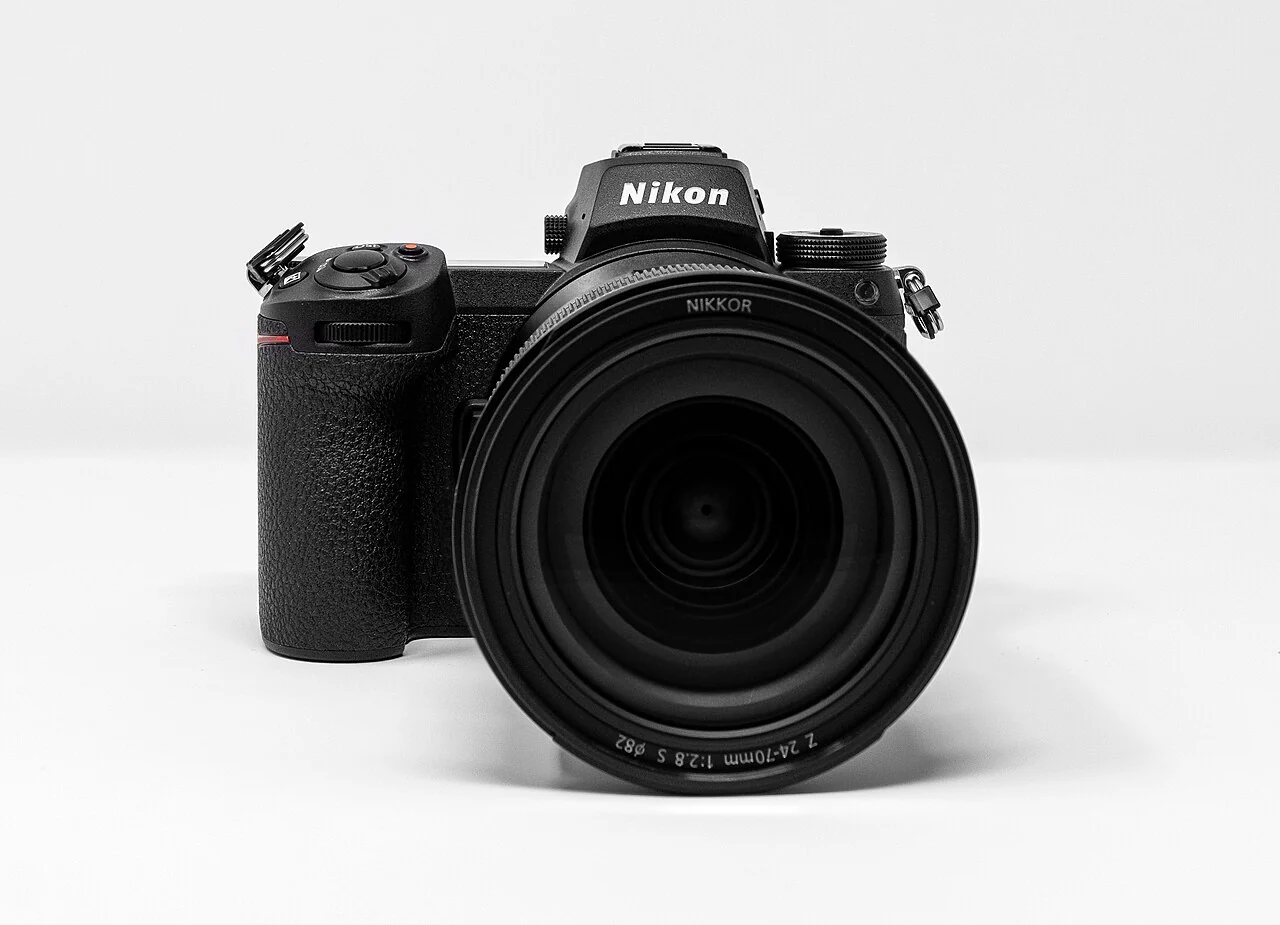
A lens fits in three ways: mount, coverage and supported functions
Check the exact body and lens names before comparing focal length. A matching brand or sensor size is not a compatibility check.

RAW or JPEG? Choose the workflow as well as the file
Compare ready-to-share JPEGs, RAW processing and paired capture with one short practice session before changing your everyday settings.
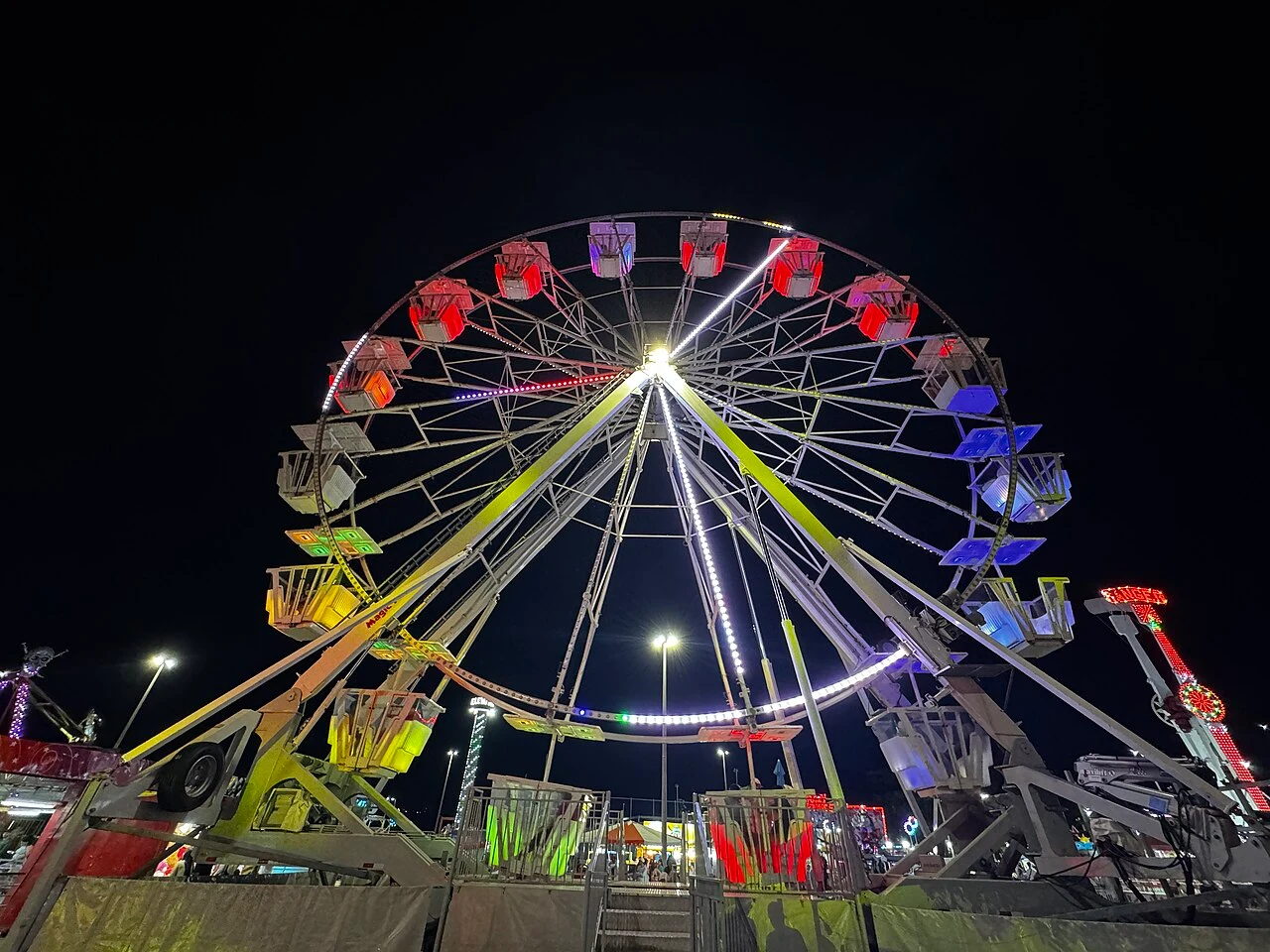
Read a histogram without chasing a perfect shape
Use a dark scene, a light scene and playback warnings to connect the graph to the picture you want to keep.
A steady camera does not make a moving subject still
Separate camera movement from subject movement, choose a shutter-speed trial, and read the result before buying stabilization or support.
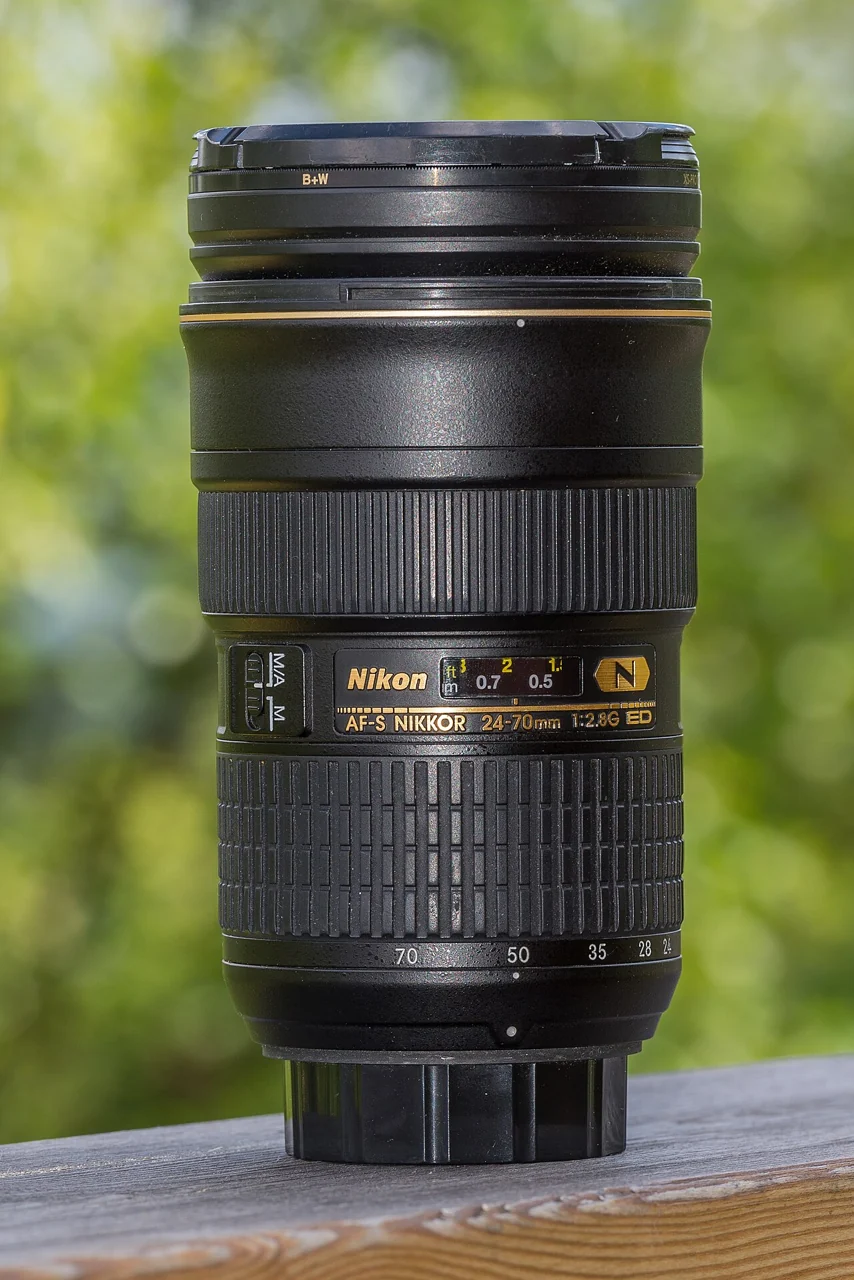
Standard zoom or one prime? Start with a Nikon Z DX example
Compare the NIKKOR Z DX 16–50 mm VR and 24 mm f/1.7 by framing flexibility, aperture and the space you can actually use.
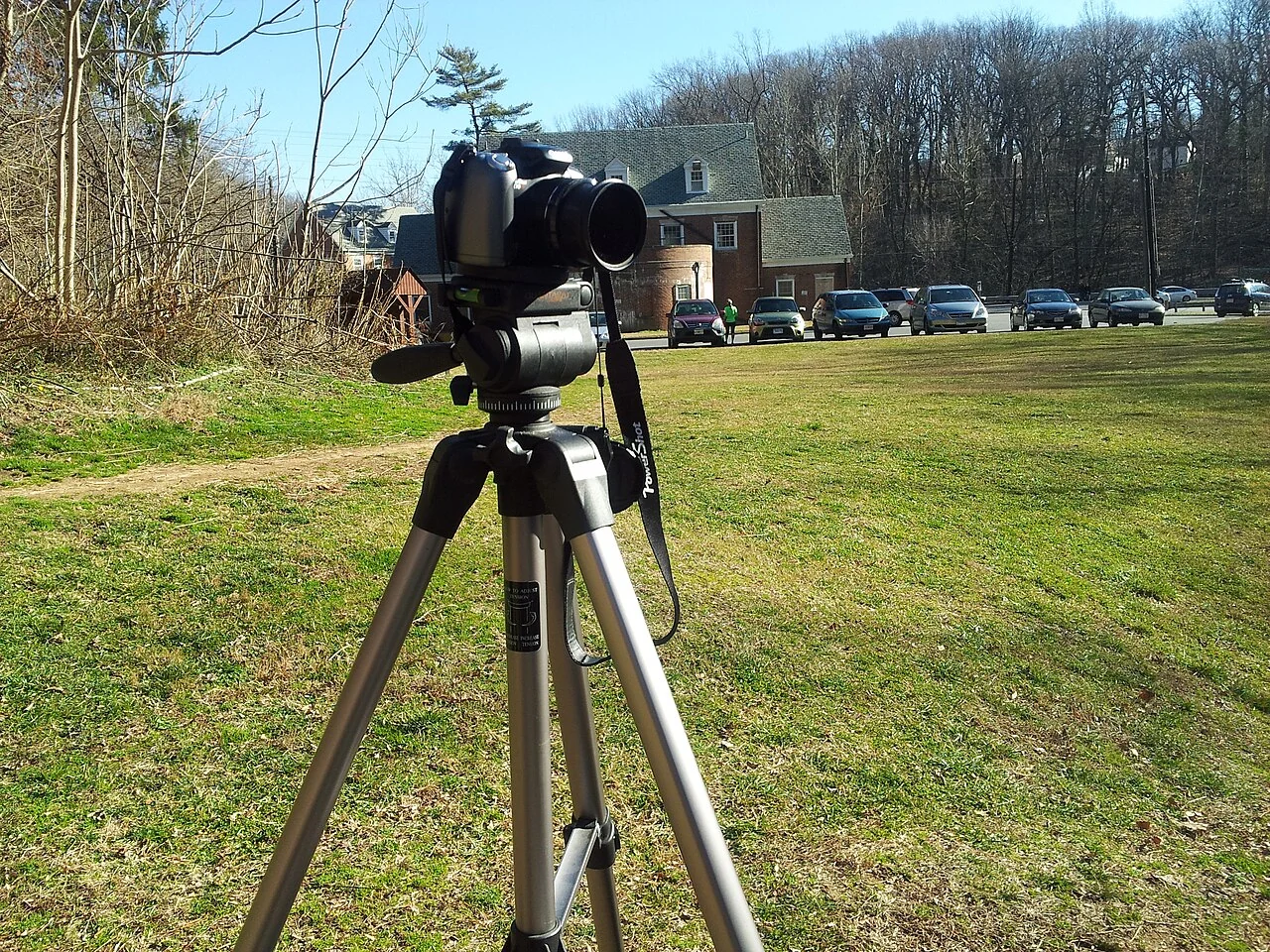
Travel tripod or three-way head? Choose the setup you will use
Compare the purpose of a folding ball-head kit and a three-way-head kit, then check the exact legs, head, plate and load together.
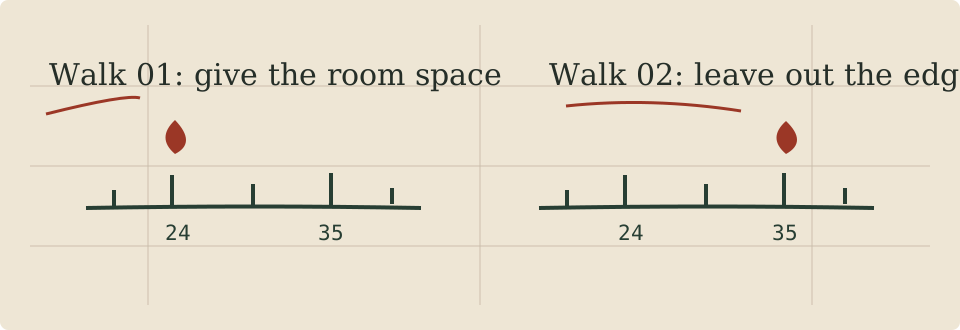
Choose a prime by rehearsing with your kit zoom
Try two focal lengths on ordinary outings before you buy a prime. Compare keepers, space constraints, and what you actually missed.
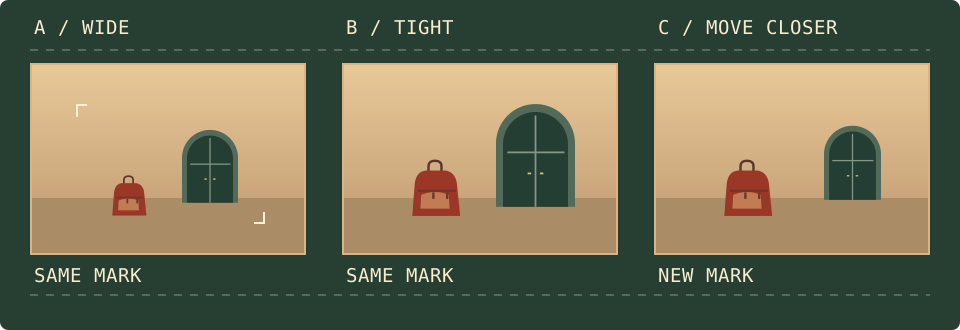
Crop or move? Read a three-frame contact sheet
Use a foreground object and a doorway to see what changes when you crop, change focal length, or move the camera.
The source and evidence label matter. Our editorial method separates primary facts, calculations and editorial judgments. Illustrations and procedural 3D studies are original teaching materials. For corrections or image-rights enquiries, email [email protected].